
Overview
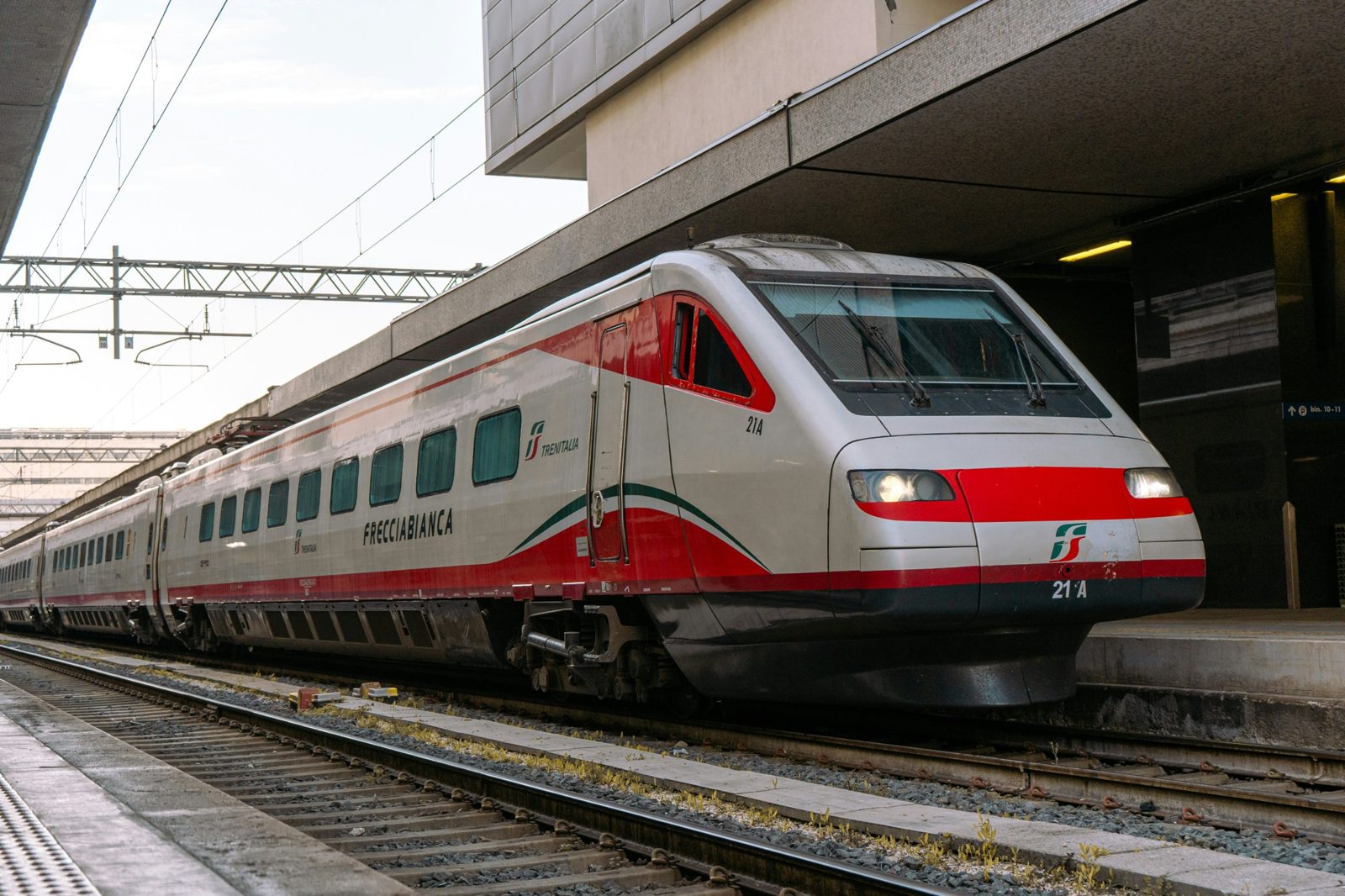
Railway infrastructure is central to high-capacity freight and passenger transport. Rising traffic, heavier axle loads and higher speeds accelerate wear and deterioration. Fiber optic sensing enables structural health monitoring and real-time measurement across the network.
Distributed track & infrastructure monitoring
Fiber optic SHM systems detect and characterize damage at an early stage, allowing timely repair. The sensors are small, lightweight and immune to electromagnetic interference. A single system can cover up to about 20 km — monitoring:
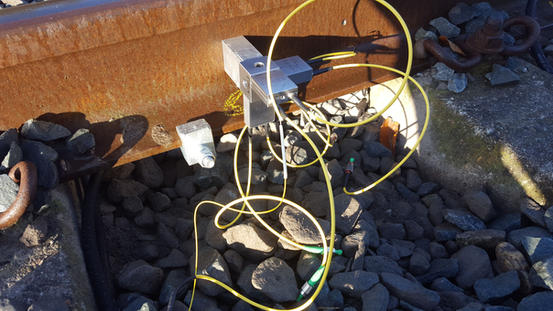
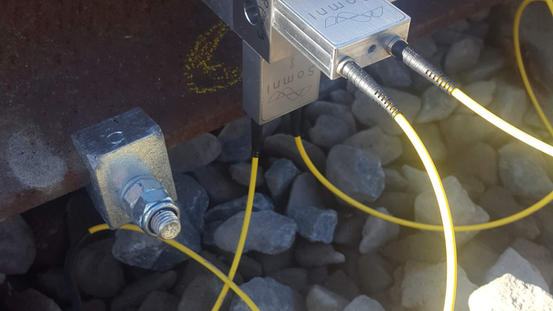
Fiber optic accelerometers on track
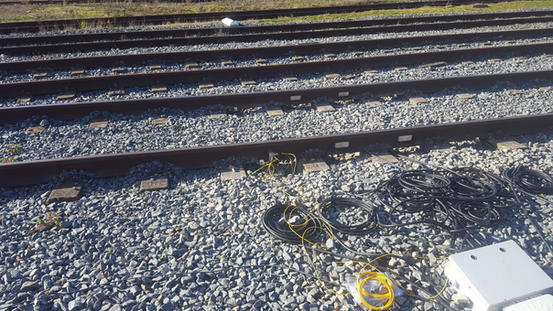
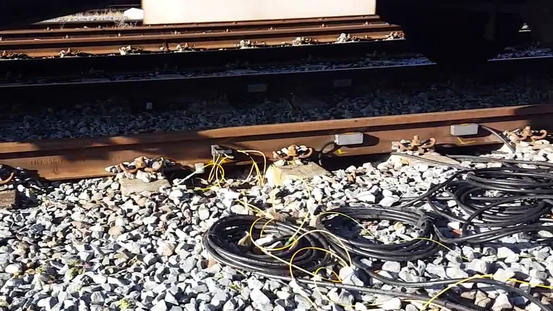
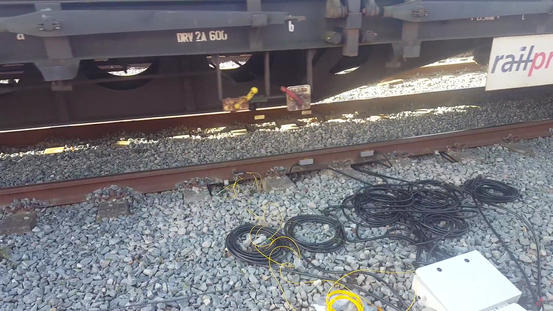
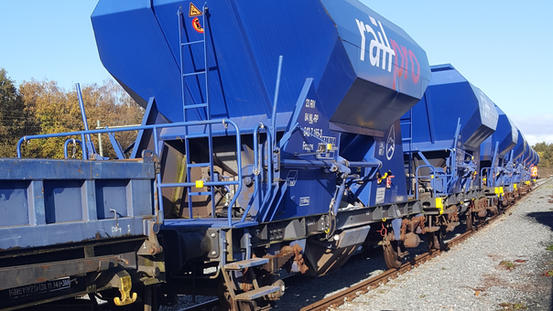
Mounted on a T-beam network, fiber optic accelerometers monitor track condition, detect wheel defects and determine train presence and direction. Combined with artificial intelligence, this data can help prevent accidents and derailments.
Why fiber optic sensors
Immune to EMI
No interference from electrified lines or traction systems.
Easy to mount
Sensors attach easily to the rail.
Long service life
Low maintenance over many years in the field.
Scalable
Easily expanded to kilometer-long routes.
Monitor your rail network
System design, sensor selection, field installation, software and data acquisition.