
Overview
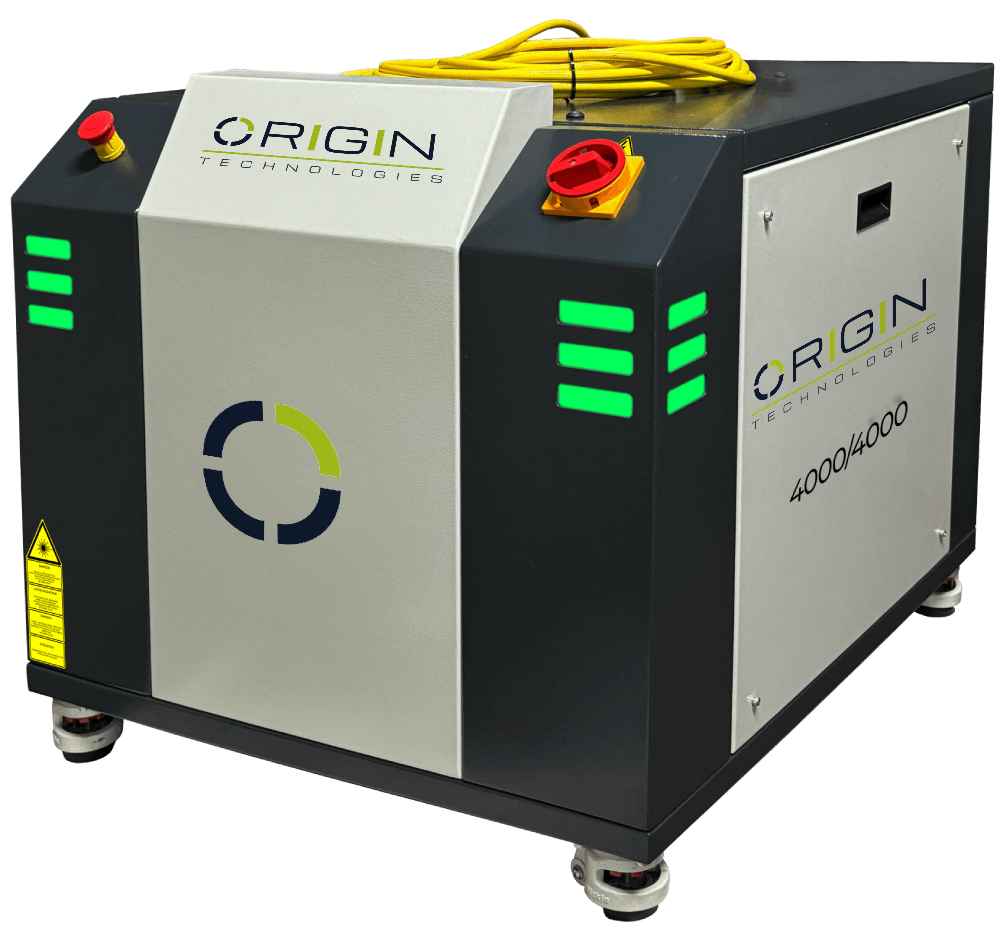
Adjustable Beam Lasers (ABL) represent a cutting-edge technology that revolutionizes welding quality and efficiency, particularly in industries such as e-mobility and automotive. These lasers provide an unprecedented level of control over beam profiles, ensuring superior welding results even at high speeds.
One remarkable feature of ABL lasers is their virtually spatter-free welding process, which significantly minimizes the need for costly and time-consuming rework. This results in maximum uptime and a considerable boost in overall welding quality.
These advanced ABL lasers are available with power outputs of up to 12 kW, making them perfectly suited to tackle the most demanding applications with precision and consistency. Whether you are in the automotive sector or exploring the world of e-mobility, ABL is your solution for top-tier welding performance.
The use of ABL in electric vehicle production and maintenance can help improve the performance, reliability and overall cost-effectiveness of electric vehicles, ultimately contributing to the growth and increased adoption of e-mobility.
How ABL works
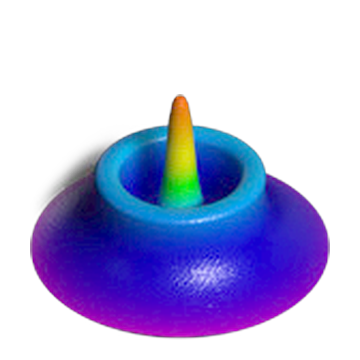
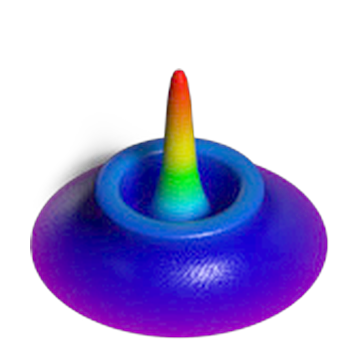
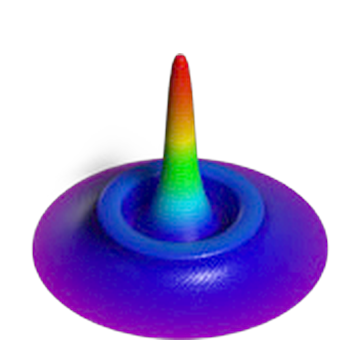
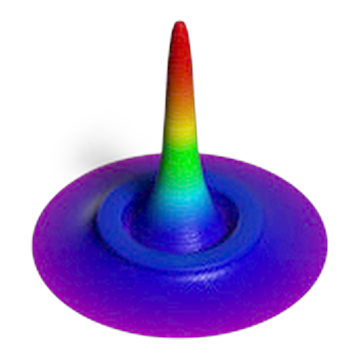
An adjustable beam laser delivers light through a fiber with two zones: a small central core and a surrounding ring. By changing how laser power is split between them, the same laser can produce a tightly focused spot, a wide ring, or any blend in between — without changing optics.
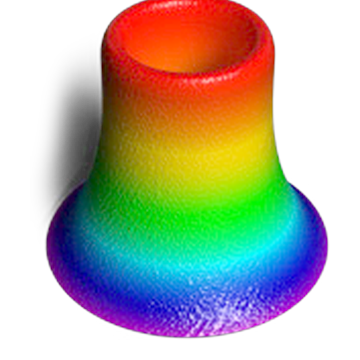
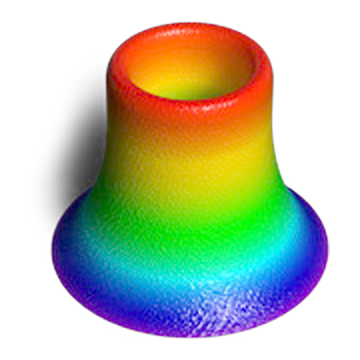
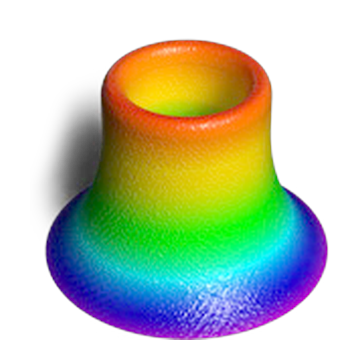
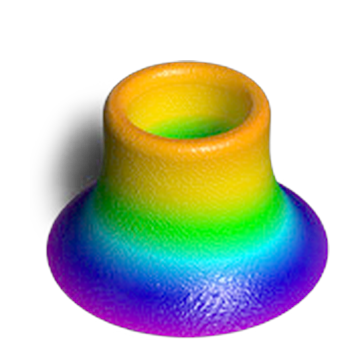
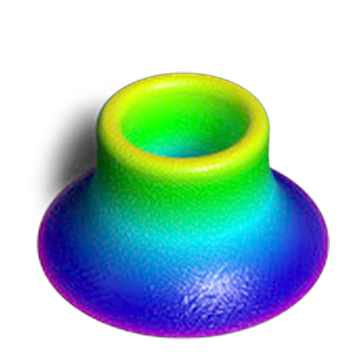
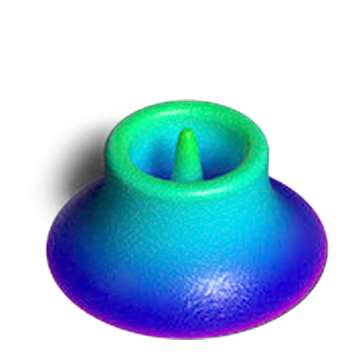
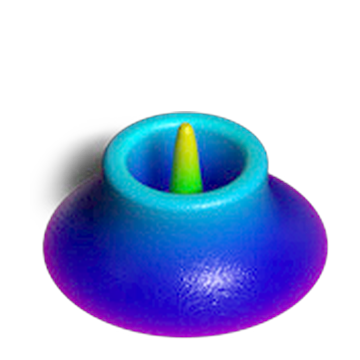
ABL beam shape chart
Eleven preset beam profiles, from a pure ring (A) to a pure core (K). Each 3D profile shows how laser power is distributed between the outer ring and the central core.
Why an adjustable beam
One laser, more jobs
Switch between thin-sheet speed and thick-plate quality on the same machine.
Better edge quality
Ring-weighted profiles help produce cleaner edges on thicker material.
Less spatter in welding
A ring around the keyhole stabilizes the melt pool and reduces spatter.
Set by software
Beam profile, speed and power are adjusted through user-friendly software — no optics change.
Two series
Multimode core and ring beams for high-power welding and cutting. Five models, with core fibers from 50 to 100 µm. Higher-power configurations up to 12 kW are available on request.
Single-mode / multimode beam quality with 14–20 µm core fibers for high-brightness, fine-spot processing. Five models.
Specifications — ABL series
| Parameter | ABL 1500/1500 | ABL 2000/2000 | ABL 4000/2000 | ABL 2000/4000 | ABL 4000/4000 |
|---|---|---|---|---|---|
| Nominal power (W) | 1500 / 1500 | 2000 / 2000 | 4000 / 2000 | 2000 / 4000 | 4000 / 4000 |
| Power range (%) | 1–100 | 1–100 | 1–100 | 1–100 | 1–100 |
| Beam quality | Multimode | Multimode | Multimode | Multimode | Multimode |
| Power stability | ±2% | ±2% | ±2% | ±2% | ±2% |
| Pulse frequency range (kHz) | 50 | 50 | 50 | 50 | 50 |
| Wavelength (nm) | 1070 ±5 | 1070 ±5 | 1070 ±5 | 1070 ±5 | 1070 ±5 |
| Voltage | 380 VAC, 50/60 Hz | 380 VAC, 50/60 Hz | 380 VAC, 50/60 Hz | 380 VAC, 50/60 Hz | 380 VAC, 50/60 Hz |
| Cooling capacity (kW) | 6 | 6 | 9 | 9 | 12 |
| Coolant flow rate (l/min) | 50 | 50 | 75 | 75 | 100 |
| Laser temperature (°C) | 0–45 | 0–45 | 0–45 | 0–45 | 0–45 |
| Fiber interface | QBH, QD, Q+ | QBH, QD, Q+ | QBH, QD, Q+ | QBH, QD, Q+ | QBH, QD, Q+ |
| Fiber diameter (µm) | 50/150, 50/300, 100/300 | 50/150, 50/300, 100/300 | 50/150, 50/300, 100/300 | 50/150, 50/300, 100/300 | 50/150, 50/300, 100/300 |
| Fiber length (m) | 10–20 | 10–20 | 10–20 | 10–20 | 10–20 |
Specifications — ABL-SM series
| Parameter | ABL-SM 1000/1000 | ABL-SM 1500/1500 | ABL-SM 1500/3000 | ABL-SM 1500/4500 | ABL-SM 2000/4000 |
|---|---|---|---|---|---|
| Nominal power (W) | 1000 / 1000 | 1500 / 1500 | 1500 / 3000 | 1500 / 4500 | 2000 / 4000 |
| Power range (%) | 1–100 | 1–100 | 1–100 | 1–100 | 1–100 |
| Beam quality | Single / multimode | Single / multimode | Single / multimode | Single / multimode | Single / multimode |
| Power stability | ±2% | ±2% | ±2% | ±2% | ±2% |
| Pulse frequency range (kHz) | 50 | 50 | 50 | 50 | 50 |
| Wavelength (nm) | 1070 ±5 | 1070 ±5 | 1070 ±5 | 1070 ±5 | 1070 ±5 |
| Voltage | 380 VAC, 50/60 Hz | 380 VAC, 50/60 Hz | 380 VAC, 50/60 Hz | 380 VAC, 50/60 Hz | 380 VAC, 50/60 Hz |
| Cooling capacity (kW) | 6 | 6 | 6 | 6 | 6 |
| Coolant flow rate (l/min) | 50 | 50 | 50 | 50 | 50 |
| Laser temperature (°C) | 0–45 | 0–45 | 0–45 | 0–45 | 0–45 |
| Fiber interface | QBH, QD, Q+ | QBH, QD, Q+ | QBH, QD, Q+ | QBH, QD, Q+ | QBH, QD, Q+ |
| Fiber diameter (µm) | 14/110, 20/110, 14/150 | 14/110, 20/110, 14/150 | 14/110, 20/110, 14/150 | 14/110, 20/110, 14/150 | 14/110, 20/110, 14/150 |
| Fiber length (m) | 10–20 | 10–20 | 10–20 | 10–20 | 10–20 |
Materials & industries
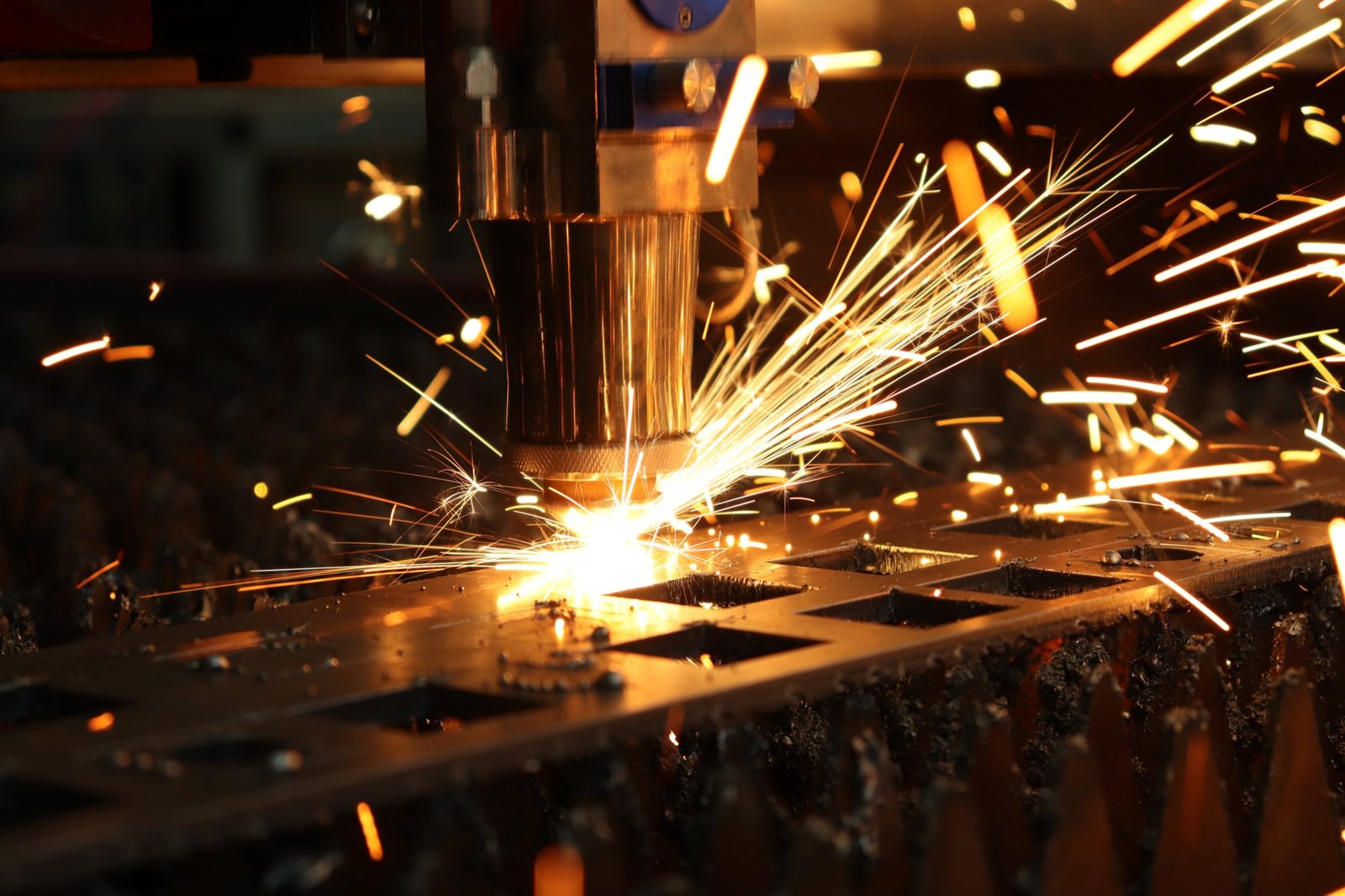
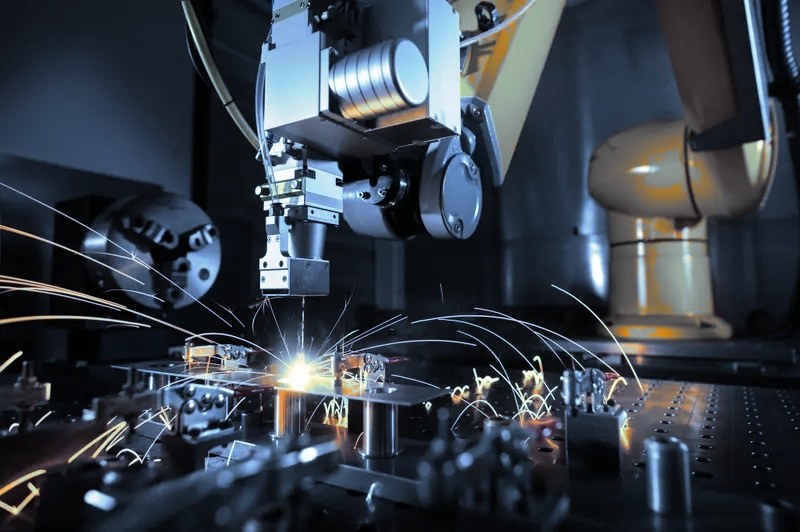
Steel, stainless steel, aluminum, copper, titanium and other metals and alloys — in automotive, energy storage, medical devices, electronics, aviation, defense and energy. Changing the beam profile is especially effective in multi-layer joints and mixed-material work.
Applications
Frequently asked questions
What is the ABL laser and where is it used?
Thanks to its adjustable beam profile, the ABL laser delivers high precision and efficiency when cutting and welding a wide range of materials. It is used in automotive, energy storage and medical device manufacturing, among others.
What are the advantages of the ABL laser?
High energy density, precision and low thermal impact deliver fast, high-quality results — across a range of material thicknesses.
Which industries use it most?
Automotive, defense, aerospace, electronics, medical and energy.
When does an adjustable beam profile help?
When you work with different material types or need multi-layer processing, changing the beam profile improves process efficiency.
Which materials can the ABL laser process?
Steel, stainless steel, aluminum, copper, titanium and other metals, as well as some alloys.
What about energy consumption and environmental impact?
The ABL is a highly energy-efficient system, optimized to reduce its carbon footprint.
What software features does it offer?
User-friendly software lets you adjust beam profile, speed and power. Remote monitoring and data analysis features may also be available.
What maintenance is recommended?
Regular optical cleaning of the laser, checks of the cooling system and software updates at defined intervals.
What is the warranty period?
A 2-year warranty is typically offered; the period may vary under special agreements.
How does dual-beam ABL welding differ from conventional laser welding?
ABL's dual-beam technology uses a central core beam and a surrounding ring beam at the same time. This stabilizes the weld pool and minimizes spatter, making it ideal for high-speed, high-precision work. Conventional laser welding uses a fixed beam profile and suits simpler jobs. Dual-beam welding also significantly reduces cracking and deformation in the material.
What does the adjustable beam feature mean?
The laser's beam intensity and focus characteristics can be adjusted dynamically, so energy is delivered to the material more precisely and flexibly. In metal welding this provides deep penetration and control for strong, defect-free welds.
More questions? See all FAQs or talk to an engineer.