

What is condition monitoring?
Condition monitoring combines an understanding of the underlying physics, measurement of physical variables — such as vibration, temperature and strain — and computer algorithms. Together they estimate the remaining life of a structure or machine and detect faults or impending failures. It is a key element of predictive maintenance.
Why it matters
Early detection
Developing faults are revealed before they cause serious damage.
Planned maintenance
Repairs are scheduled on your terms instead of after a breakdown.
Better designs
Knowing the type of fault and when it appeared feeds into future designs.
Reference application: Taipei 101
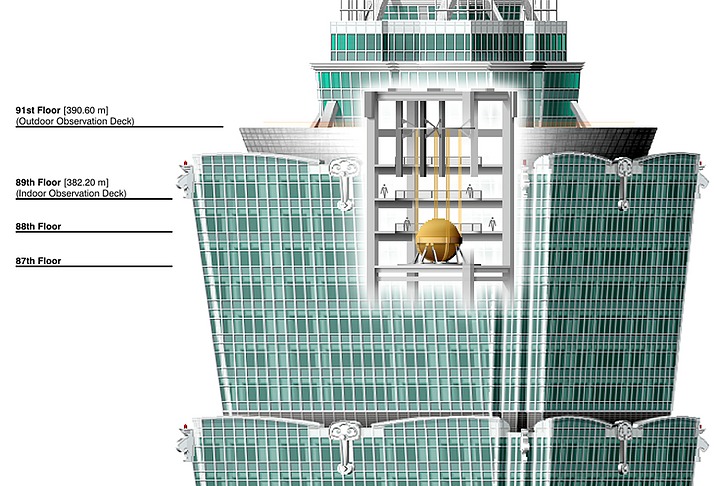
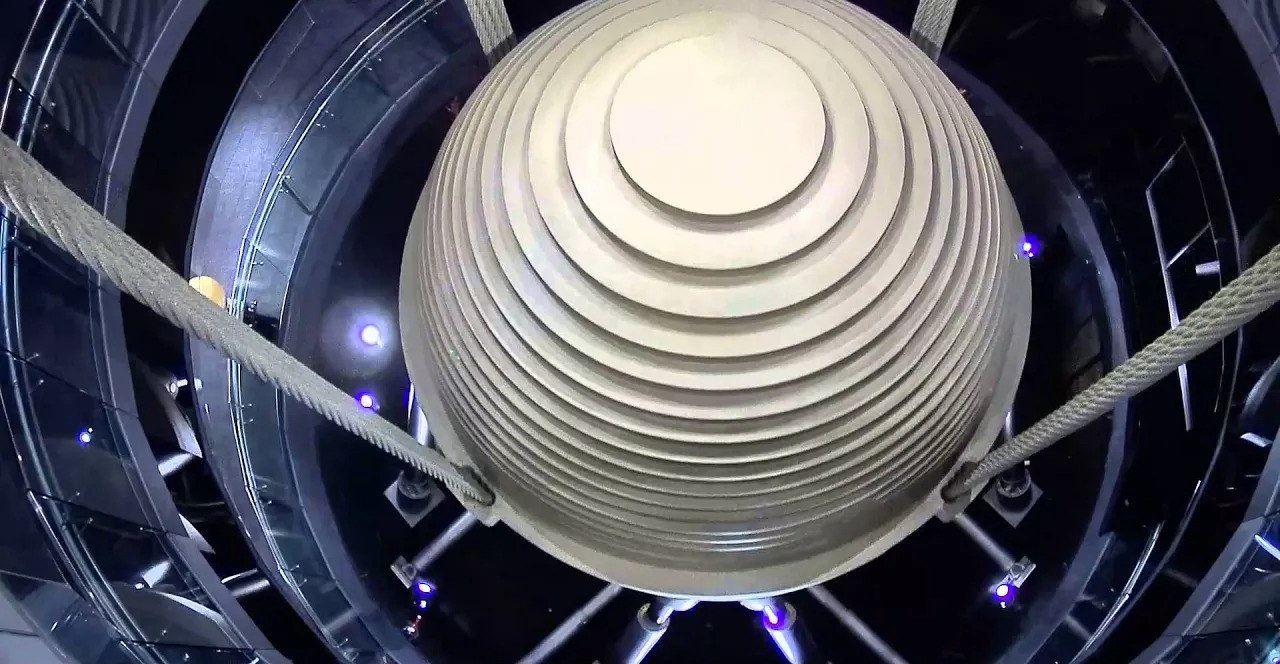
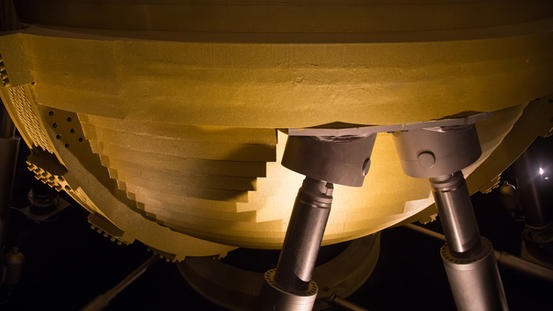
The 508-meter Taipei 101 tower uses a 728-ton tuned mass damper — a steel sphere suspended on eight cables between floors 87 and 91 — to counter sway from wind and earthquakes.
Low-frequency fiber optic accelerometers monitor the movement of the mass. The data supports predictive maintenance and shows how the building responds to wind and seismic loads.
Gallery

All-in-one sensor box
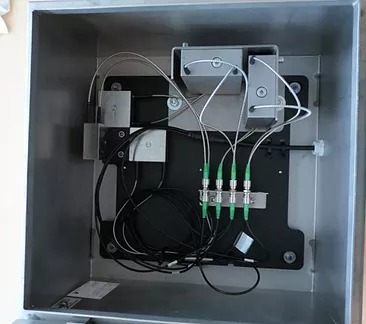
A stainless steel enclosure containing two tilt sensors, three high-precision accelerometers and a temperature sensor. Connected to the interrogator with a single fiber — or two when needed — it monitors rotation, vibration and displacement 24/7. Easy to install, with everything in one box.
Plan a monitoring system
From sensor selection and system design to field installation and data acquisition.