Laser surface cleaning
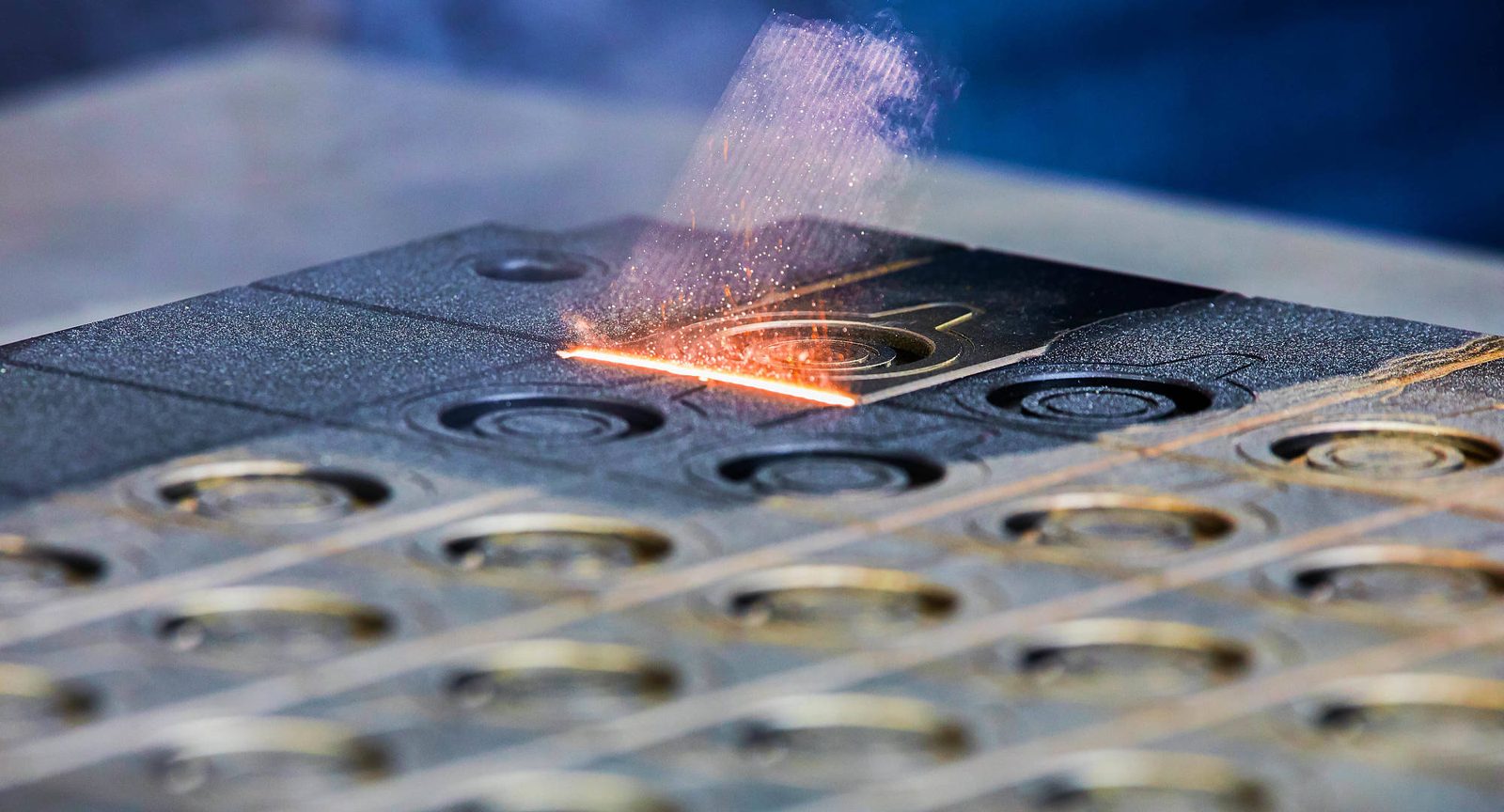
Laser cleaning is an environmentally friendly process for removing rust, paint, oxides and other contaminants from metal surfaces. Thanks to its efficiency, it is being used in a growing number of applications. Laser cleaning requires a pulsed fiber laser, typically 50 W or more.
Traditional industrial cleaning methods are often seen as tedious — and for good reason. Rust removal can be time- and labor-intensive. Oxide removal can involve hazardous chemicals specific to each material that must be removed. In some cases, sandblasting paint off can damage the underlying metal.
Dealing with these problems usually comes at a significant cost, but laser cleaning is changing that: it is a cost-effective solution that reduces cleaning time and maintenance.
If you are skeptical about these claims, read on for the basics of what a laser actually does when it removes contaminants and coatings.
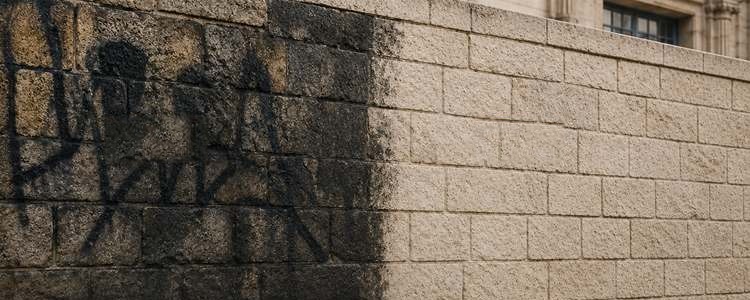
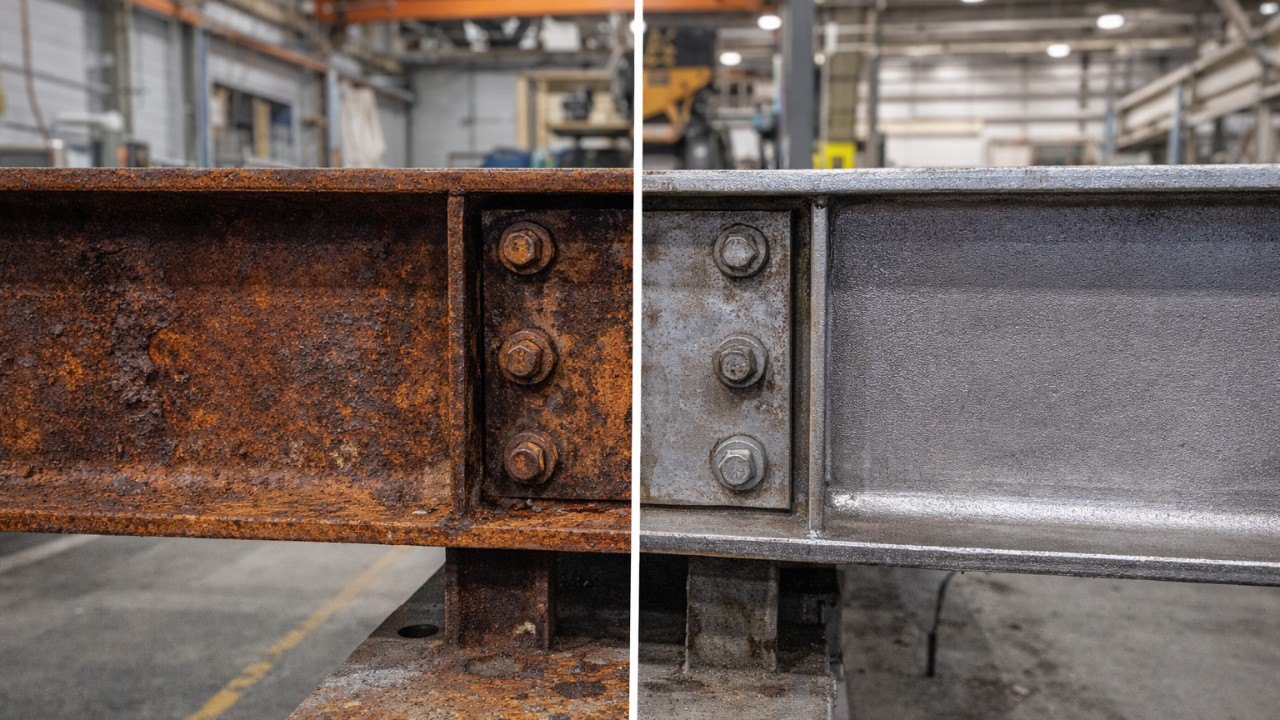
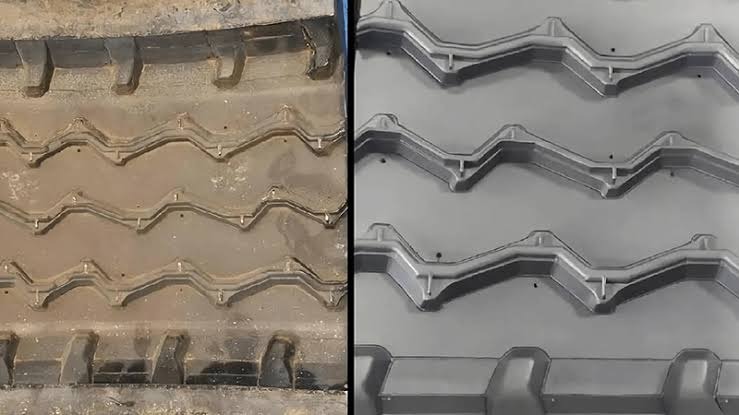
Before & after
Rust, paint, residue and graffiti come off; the base material stays intact.
Every material has an ablation threshold
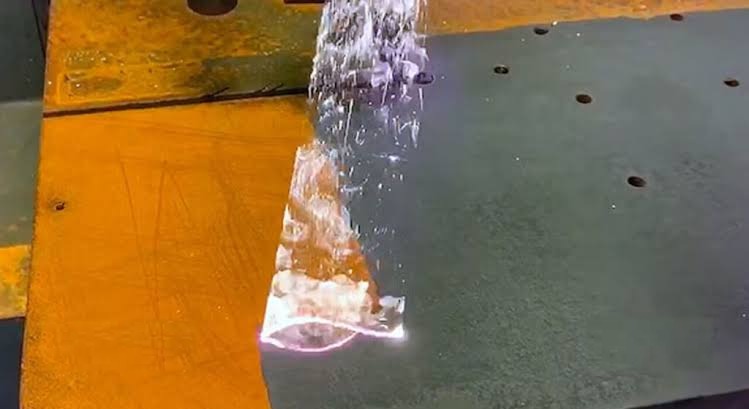
Laser ablation occurs when a layer of material or a coating is removed by a laser beam. It is the process behind every laser cleaning application. Take laser rust removal on steel: when the beam hits the surface, the molecular bonds in the dust or rust layer break and the layer is ejected from the substrate. In less technical terms, you can imagine the layer being simply vaporized by the laser beam.
A simple way to grasp the importance of the ablation threshold is to compare it with throwing a ball over a wall. If you don't throw it high enough, it will never get to the other side — even if you throw it a thousand times. The same goes for laser rust removal: you can fire the laser beam thousands of times, but as long as the energy is below the ablation threshold of the material you are working on, nothing will be removed.
Every material has different properties and therefore different molecular bonds — in other words, a specific ablation threshold. To successfully remove a layer of a given material, the energy delivered by the laser beam must be above that material's ablation threshold.
Material can be removed very selectively
Let's continue the analogy. Imagine a second, higher wall behind the first one, and a ball thrown with enough energy to clear the first wall but not the second. The ball bounces off the second wall and lands between the two. However many times you throw it, the result is the same: you clear the first wall, but never the second.
Because every material has its own ablation threshold, laser cleaning can discriminate between two or more materials when removing an unwanted layer from an object. Given a large enough difference in ablation thresholds, it is possible to select the material to remove — the one with the lower threshold — without touching the other.
For example, the threshold for removing rust is much lower than that of common metals such as steel and aluminum. The same is true for paint and oil. This wide gap allows contaminants and coatings to be completely vaporized with no risk of damaging the underlying base material — there simply isn't enough energy to cause damage.
A short, powerful burst means faster removal
Think of laser ablation like carving stone with a hammer and chisel. You can use a small hammer and strike the chisel many times, or use a bigger hammer to deliver more power, reducing the number of strikes and increasing the removal rate. The idea is the same with laser cleaning — except that you only want to remove one layer of material: the contaminant.
Fiber laser cleaning systems can remove a layer using two different methods: the laser beam is either a continuous wave of light, or pulsed at a specific repetition rate. Even if the result is much the same, the removal rate varies greatly depending on the method.
For a given surface area, putting the same energy into a short pulse increases the power — like using a bigger hammer. A pulsed laser beam is more efficient and removes material faster than a continuous beam. Short laser pulses clean surfaces faster while keeping the underlying material from heating up too much.
No consumables, environmentally friendly
Because this cleaning method uses only a laser beam to vaporize the layer to be removed, there are literally no consumables. That is the beauty of lasers: just plug them in and they are ready to use.
What's more, lasers use no chemical products or solvents, making laser surface cleaning one of the safest solutions for rust and coating removal. Besides there being no chemical waste to handle, employees working near laser cleaning machines designed to meet international laser safety standards are fully protected. They won't need personal protective equipment, nor will they have to deal with irritating chemicals.
However, since laser cleaning turns materials into fumes by vaporizing them, you should have a fume extraction system near the laser to ensure that no paint, oil or dust particles are released into the air.
Laser cleaning is gaining ground across industrial applications
Removing burnt rubber residue from tire molds, giving old pipelines a new look, cleaning pipes in nuclear power plants — and even larger projects such as stripping paint from a rusty bridge and preparing weld surfaces — can all benefit from industrial laser cleaning.
This non-contact cleaning technique can be used in countless industrial applications. The only limit is the ability to discriminate between the material to remove and the material to preserve.
The most common laser cleaning applications today include:
- Pre-weld treatment to remove rust and other contaminants from weld areas
- Post-weld treatment to remove oxides from aluminum and stainless steel
- Laser surface preparation to maximize paint adhesion
- Laser oxide removal from special-alloy ingots
- Coating removal right after the coating process, replacing part masking on production lines
- Paint stripping on parts that would otherwise be scrapped for paint defects
Find the right laser for your cleaning task
Tell us the substrate and the contaminant — our engineers will recommend a laser source and process.